
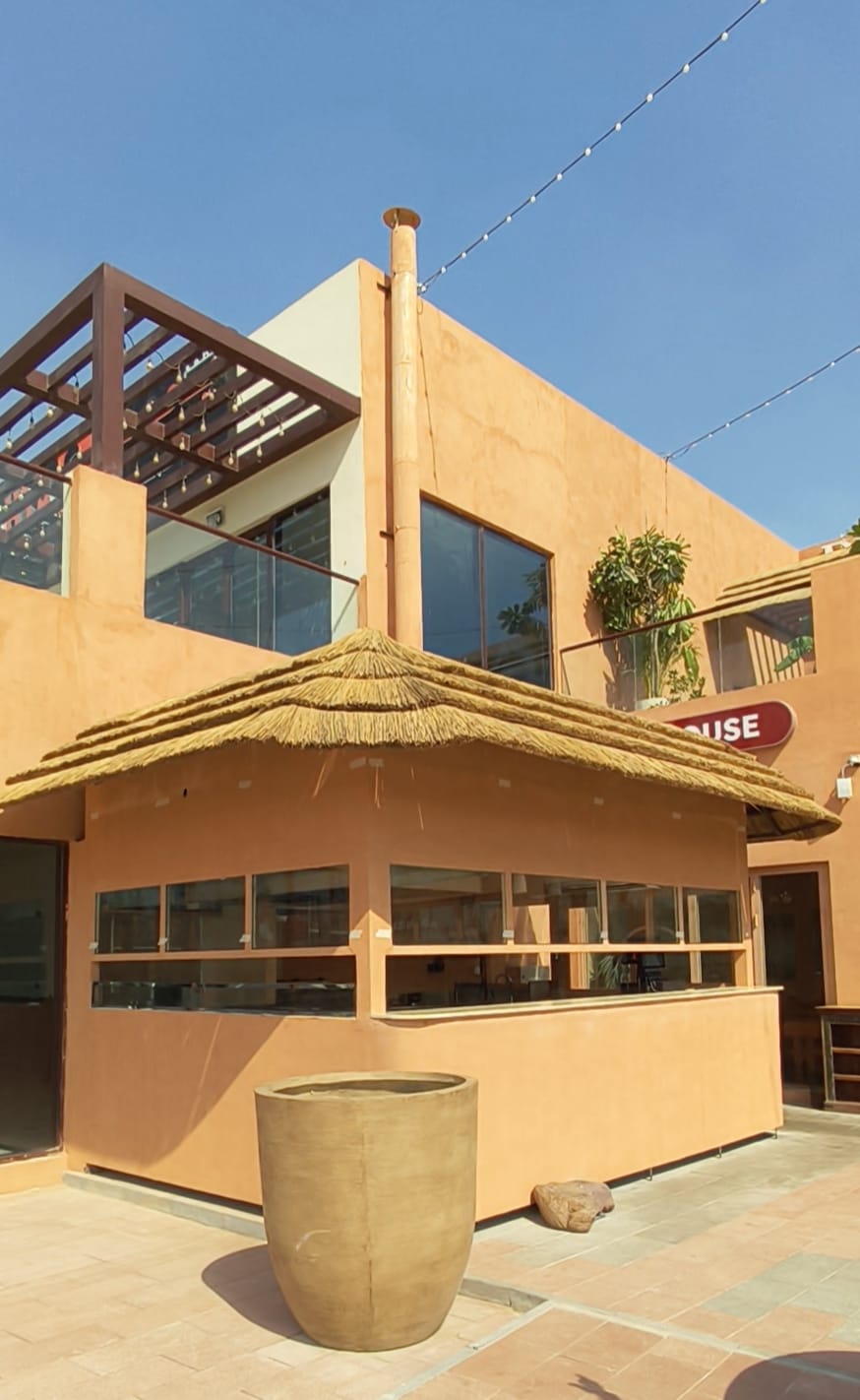
Understanding Kiosk Grill Hubs
A kiosk grill hub is an outdoor cooking area where multiple grill stations work together, creating a lively food destination. It’s like a gathering place for food lovers, combining the delicious smell of grilled food with modern service technology. These hubs bring together traditional grilling techniques and contemporary kiosk machine systems to offer quick and high-quality meals in busy areas.
The Role of Kiosk Grill Stations
At the heart of this concept is the kiosk grill station. These compact yet fully-equipped units have everything needed to cook up popular grilled dishes like burgers, steaks, and barbecue delights. Unlike traditional grill restaurants, these stations are designed to maximize efficiency in small spaces, making them ideal for locations where every square foot counts.
The Rise in Popularity of Grill Kiosks
In recent years, grill kiosks have become increasingly popular in various places such as community parks, university campuses, shopping centers, and food courts. This growth can be attributed to three main reasons:
- Convenience: Customers can enjoy hot and freshly prepared meals without having to wait for long periods.
- Flexibility: Operators have the ability to adjust their menus and locations based on customer demand.
- Experience: The sight and smell of food being grilled right in front of them creates an enjoyable dining atmosphere.
These outdoor cooking setups offer a combination of fast food convenience and the genuine flavors of grilled cuisine. As a result, they are becoming more valuable in both commercial and community settings.
Design and Features of Kiosk Grill Stations
Kiosk grill stations come in various configurations to suit different operational needs and space limitations.
Portable Units for Flexibility
You’ll find portable units mounted on wheels that allow repositioning based on foot traffic patterns or seasonal demands. These mobile setups work well for temporary events or locations testing market viability.
Types of Kiosk Grill Stations and Their Uses
1. Standalone Units
Standalone units represent the most flexible option for grill operations. You can relocate these self-contained structures as needed, making them perfect for seasonal events or temporary installations. These units come fully equipped with grilling surfaces, minimal prep space, and basic utilities. They work exceptionally well in parks where you need mobility and quick setup capabilities.
2. Integrated Outdoor Kitchens
Integrated outdoor kitchens offer a more comprehensive solution. These permanent installations combine multiple cooking stations, extensive preparation areas, and sophisticated ventilation systems. You’ll find these setups in high-traffic food courts where operators need to handle substantial customer volumes. The integrated approach allows for menu diversity and simultaneous food preparation across different stations.
3. Community Spaces
Community spaces benefit from both configurations depending on their specific needs:
- Parks and recreational areas typically favor portable standalone units for weekend gatherings
- Residential complexes often install permanent outdoor kitchens as shared amenities
- Public plazas incorporate architecturally-designed grill stations that complement surrounding structures
The distinction between these types directly impacts your operational capacity. Standalone kiosks serve 20-50 customers per hour, while integrated outdoor kitchen setups can accommodate 100+ customers during peak periods. You’ll notice that food courts prioritize integrated systems because they need consistent output and professional-grade equipment. Community spaces lean toward standalone units when flexibility and budget constraints drive decision-making.
Technology Integration in Modern Grill Kiosks
Modern KIOSK GRILL STATION setups have embraced digital transformation to streamline operations and elevate the customer experience. The integration of kiosk machine technology has fundamentally changed how patrons interact with grill services, moving away from traditional counter ordering to sophisticated digital interfaces.
Self-Service Kiosks: Empowering Customers
Self-service kiosks now dominate the ordering landscape at grill hubs, allowing customers to:
- Browse menu options
- Customize their orders
- Complete payments without waiting in long queues
These touchscreen systems display high-resolution images of grilled items, nutritional information, and real-time availability updates. You’ll find these kiosks equipped with multiple payment options including contactless cards, mobile wallets, and QR code scanning capabilities.
Mobile App Ordering: Convenience at Your Fingertips
Mobile app ordering has become equally essential, enabling customers to place orders before arriving at the grill station. This pre-ordering functionality reduces wait times significantly and helps kitchen staff manage preparation schedules more effectively. The apps typically feature order tracking, loyalty programs, and push notifications for special promotions.
Streamlined Operations: Efficiency Behind the Scenes
The operational benefits extend beyond customer convenience:
- Kitchen display systems connected to these ordering platforms automatically route orders to grill stations, eliminating handwritten tickets and reducing errors.
- Real-time analytics from these systems provide valuable data on peak hours, popular menu items, and customer preferences, allowing operators to optimize staffing levels and inventory management.
- The technology also facilitates faster table turnover rates and increases the number of orders processed during busy periods.
Environmental Considerations and Ecology Units in Kiosk Grills
The ecology unit is an essential part of modern kiosk grill operations, specifically designed to tackle the environmental impact caused by outdoor cooking facilities. These advanced systems capture grease, smoke particles, and other harmful emissions before they are released into the atmosphere, effectively reducing the carbon footprint associated with grilling activities in public areas.
1. Emission Control and Beyond
Sustainable grilling solutions go beyond just controlling emissions. Leading kiosk operators have implemented comprehensive waste management programs that focus on separating recyclables from organic waste. Grease collection systems are in place to prevent local water supplies from being contaminated, while composting programs turn food scraps into valuable soil amendments.
2. Managing Charcoal Grills Responsibly
Charcoal grills pose unique environmental challenges that require careful management. Responsible operators ensure that they source sustainably harvested charcoal or choose eco-certified briquettes made from recycled materials. Additionally, proper protocols for ash disposal are implemented to prevent soil contamination, and regular maintenance schedules are followed to uphold air quality standards.
3. Energy Efficiency and Renewable Energy
Energy-efficient designs incorporate natural ventilation systems to minimize electricity consumption while ensuring adequate airflow. Some installations even feature solar panels to power auxiliary equipment such as lighting and refrigeration units. Water conservation measures like low-flow washing stations and greywater recycling systems are also put in place for cleaning operations.
4. Creating Environmentally Responsible Food Service Operations
By integrating these sustainable practices, kiosk grill hubs can transform into environmentally responsible food service operations. This not only showcases a commitment to ecological stewardship but also preserves the genuine grilling experience that customers expect. Furthermore, these measures contribute to the protection of local ecosystems and comply with increasingly strict environmental regulations governing commercial food preparation facilities.
Authority Approval, Compliance Requirements, and Exhaust Vent Systems for Kiosk Grills
Installing a KIOSK GRILL STATION involves dealing with various authority approval processes and regulatory compliance requirements. Before starting any construction work, you must obtain permits from several agencies such as health departments, fire marshals, and building authorities.
Safety standards are crucial in getting your installation approved. Here are the key aspects that need to be addressed:
- Fire suppression system requirements
- Proper exhaust vent system specifications to manage smoke and grease
- Adequate ventilation rates as per local codes
- Standards for food handling and preparation areas
- Certifications for electrical and gas connections
Pay special attention to the exhaust vent system. It’s mandatory to install commercial-grade ventilation that effectively captures cooking emissions, preventing smoke buildup and ensuring good air quality. Keep in mind that local regulations regarding food service kiosks can vary greatly depending on the jurisdiction. Therefore, it’s essential to consult with your municipal authorities early on in the planning stage to gain a clear understanding of the specific requirements applicable to your location.
FAQs (Frequently Asked Questions)
What is a kiosk grill hub and how does it contribute to outdoor cooking?
A kiosk grill hub is a designated station featuring grill equipment such as charcoal grills and BBQ setups, designed for outdoor cooking. It serves as a convenient and popular solution in community and commercial spaces, enabling social dining and enhancing outdoor culinary experiences.
What are the key design features of kiosk grill stations?
Kiosk grill stations vary from portable units to permanent installations. Key features include charcoal grills or BBQ setups, preparation counters for food handling, storage areas for utensils and supplies, and seating arrangements to facilitate social dining and community engagement.
How do standalone kiosk grill units differ from integrated outdoor kitchens?
Standalone kiosk grill units are independent structures primarily focused on grilling functions, suitable for parks or food courts. Integrated outdoor kitchens combine grilling with additional cooking amenities and are often part of larger community spaces, offering a comprehensive outdoor dining experience.
How is technology integrated into modern kiosk grill stations?
Modern kiosk grills incorporate technology such as self-service kiosks and mobile app ordering systems to streamline customer service. This integration enhances operational efficiency and improves customer convenience by facilitating quick orders and reducing wait times.
What environmental considerations are important for kiosk grill operations?
Environmental considerations include the use of ecology units designed to minimize the environmental impact of grilling activities. Sustainable practices involve responsible management of charcoal grills, adherence to ecological guidelines, and implementing solutions that reduce the carbon footprint of outdoor cooking.
What authority approvals and safety standards are required for installing kiosk grill stations?
Installing kiosk grill stations requires obtaining necessary permits and approvals from local authorities. Compliance with safety standards is mandatory to ensure public safety, including adherence to regulations governing exhaust vent systems and overall operational safety in food service kiosks.
Powered by junia.ai. To remove branding, please upgrade to a paid plan.
Additionally, it is crucial to meet food safety requirements and obtain necessary certifications for the equipment being used. This ensures that the grill stations are hygienic and meet quality standards. It is recommended to consult with local authorities or a professional in the field to ensure compliance with all regulations and safety measures.