
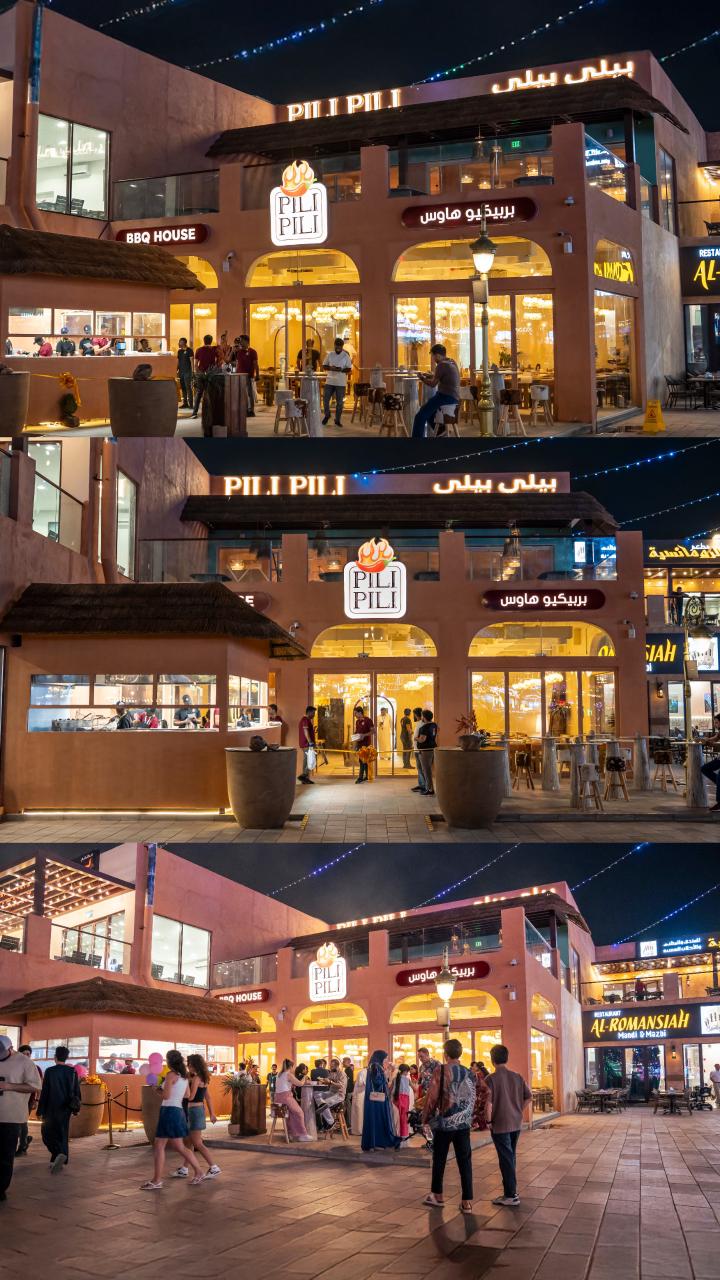
Zanzibari restaurant interior with open kitchen, warm lighting, sleek furniture, bar stools, and tables in a stylish, contemporary Dubai-inspired design.
A complete restaurant with seating and kitchen is more than just a place to eat—it’s a carefully designed space where food preparation meets customer comfort. When you enter a successful restaurant, you can see the result of careful planning that brings together the kitchen and dining areas. The kitchen operates smoothly while the dining area invites you to unwind and enjoy your meal.
The truth is, your restaurant’s success depends on how well these two parts work together. Inefficient kitchen operations can slow down service, while uncomfortable seating drives customers away before they even finish their appetizers. This is where restaurant design Dubai specialists come in. These firms know that creating a harmonious space requires balancing the needs of running a restaurant with visual appeal.
In this article, you’ll learn how Dubai’s top interior design companies tackle complete restaurant projects—from the initial idea to the final touches. With many successful projects under their belt and more on the way, these firms have shown their skill in turning dining dreams into profitable realities.
Understanding Complete Restaurant Design
A complete restaurant layout integrates two fundamental zones that work in harmony: the kitchen design and seating arrangement. You need both areas functioning seamlessly to create a successful dining establishment. The kitchen serves as the operational heart where culinary magic happens, while the seating area becomes the stage where your guests experience the final product.
The Kitchen Component
The kitchen component includes food preparation stations, cooking equipment, storage areas, and plating zones. You’ll find everything from walk-in refrigerators to specialized cooking appliances arranged to support your menu offerings. The space must accommodate staff movement while maintaining food safety standards and supporting efficient meal preparation from appetizers through desserts.
The Seating Component
The seating component encompasses your dining area, which might feature various configurations:
- Bar seating near the kitchen or counter
- Traditional table arrangements for intimate dining
- Outdoor patio spaces with weather protection
- Private dining sections for special occasions
Impact on Customer Experience
The connection between these two zones directly impacts your customer experience. When your kitchen design supports quick service without compromising quality, guests receive their meals at the perfect temperature and timing. Your seating arrangement influences how comfortable diners feel, how long they stay, and whether they’ll return.
Importance of Workflow Efficiency
Workflow efficiency between these areas determines your restaurant’s operational success. You need clear pathways for servers moving between kitchen and dining spaces, proper sight lines for staff coordination, and strategic placement that minimizes bottlenecks during peak service hours. This is where understanding the science of restaurant space planning comes into play. Maximizing every square foot of your restaurant can significantly enhance workflow efficiency, leading to improved service delivery and customer satisfaction.
Interior Design Trends for Restaurants in Dubai
Interior design Dubai has evolved into a sophisticated blend of international influences and local sensibilities, particularly evident in the restaurant sector. The city’s dining establishments showcase diverse aesthetic approaches that reflect both global trends and regional identity.
Contemporary commercial interiors Dubai projects often feature these dominant styles:
- Modern Arabic fusion – Incorporating geometric patterns, brass accents, and traditional mashrabiya screens reimagined with contemporary materials
- Industrial chic – Exposed concrete, metal fixtures, and raw finishes that create an urban, edgy atmosphere
- Minimalist luxury – Clean lines, neutral palettes, and high-end materials that emphasize sophistication without excess
- Biophilic design – Integration of natural elements, living walls, and organic textures to create calming environments
Dubai’s extreme climate directly shapes design decisions. You’ll notice most successful restaurants invest heavily in climate control systems, UV-protective glazing, and shaded outdoor areas with misting systems. The intense heat drives the popularity of indoor-focused layouts with strategically designed outdoor spaces that function year-round.
Restaurant interior trends increasingly favor open kitchen concepts, transforming food preparation into theatrical performance. This design choice serves multiple purposes: it builds trust through transparency, adds dynamic visual interest to the dining space, and creates an engaging sensory experience. The sizzle of pans, aromatic displays, and chef interactions become integral parts of the ambiance, particularly effective in Dubai’s experience-driven dining culture where customers seek more than just meals.
The Role of Interior Design Companies in Dubai’s Restaurant Scene
Interior design firms in Dubai bring specialized expertise that transforms restaurant concepts into reality. When you partner with an interior company Dubai, you gain access to professionals who understand the unique demands of hospitality spaces. These firms handle everything from initial concept development to the final touches that make your restaurant memorable.
Dubai interior design company specialists offer comprehensive services that extend beyond aesthetics:
- Complete space planning and layout optimization
- Custom furniture design and sourcing
- Material selection suited to Dubai’s climate
- Lighting design that creates the right ambiance
- Brand integration through cohesive visual elements
Fit out interior companies in Dubai excel at managing the technical aspects of restaurant construction. You’ll find these firms coordinate with contractors, handle MEP (mechanical, electrical, plumbing) integration, and ensure your kitchen equipment meets health and safety standards. They’ve SUCCESSFULLY COMPLETED AND MORE TO COME projects across Dubai’s diverse restaurant landscape, from intimate cafes to large-scale dining establishments.
Local interior decoration company Dubai teams possess invaluable knowledge of regional regulations and cultural sensitivities. You need this expertise to navigate Dubai Municipality requirements, obtain necessary permits, and design spaces that resonate with both local and international clientele. These firms understand how to incorporate Islamic design principles when appropriate, respect cultural dining preferences, and create environments that align with Dubai’s cosmopolitan character while maintaining operational efficiency.
Fit Out Process for Complete Restaurants: From Concept to Completion
The fit out journey begins with translating your restaurant vision into technical drawings and specifications. Fit out interior companies Dubai work through distinct phases: initial design development, detailed planning, procurement, construction, and final handover. You’ll notice that reputable firms break down the process into manageable stages, each with clear deliverables and approval points.
The Role of Coordination in Restaurant Fit Outs
Coordination forms the backbone of successful restaurant fit outs. Your chosen interior design & fit out company Dubai acts as the central hub, managing communication between architects, MEP engineers, kitchen equipment suppliers, and furniture vendors. You’ll participate in regular site meetings where designers present progress updates, contractors address technical challenges, and you make critical decisions about materials and finishes. This collaborative approach ensures your restaurant’s kitchen and seating areas develop in harmony rather than as separate entities.
Challenges in Kitchen and Dining Areas
The challenges you’ll encounter differ significantly between kitchen and dining zones:
- Kitchen Fit Outs: Demand precise coordination of ventilation systems, gas lines, drainage, and electrical loads—all while meeting stringent health and safety codes. You’re working within tight spatial constraints where every centimeter counts for equipment placement and staff movement.
- Seating Areas: Present their own complexities: acoustic treatment to manage noise levels, lighting systems that create ambiance while providing adequate illumination, and furniture installation that maximizes capacity without compromising comfort. Temperature control becomes particularly challenging when integrating open kitchen concepts, as you need to prevent cooking heat from affecting dining comfort.
Designing Commercial Interiors for Restaurants: Balancing Durability and Aesthetics
When you’re working on commercial interiors Dubai projects for restaurants, you need to think beyond just making spaces look attractive. The materials you select must withstand heavy foot traffic, frequent cleaning, and the wear that comes with daily operations. I’ve seen restaurants that looked stunning on opening day but showed signs of deterioration within months because the design prioritized aesthetics over practicality.
Flooring Choices Matter
Your flooring choices matter significantly. You want surfaces that can handle spills, resist staining, and remain slip-resistant even when wet. The same principle applies to wall finishes, upholstery, and countertops. Restaurant commercial interiors demand materials that maintain their appearance through constant use while meeting health and safety standards.
Creating Comfortable Spaces
The challenge lies in creating spaces where customers feel comfortable enough to linger without compromising your staff’s ability to work efficiently. You need to position seating to allow smooth service flow while maintaining adequate spacing for guest privacy. Your furniture selections should support extended dining periods without sacrificing the durability required for commercial use.
Unique Opportunities in Dubai’s Climate
Dubai’s climate creates unique opportunities for commercial interiors that extend beyond traditional indoor spaces. You can incorporate dog-friendly patios with durable, weather-resistant materials that appeal to pet owners. Air-conditioned outdoor seating areas require specialized HVAC considerations and materials that perform well in controlled environments while exposed to outdoor elements. These features differentiate your establishment in a competitive market while addressing practical operational needs.
Kitchen Design Essentials in Restaurant Projects: Supporting Full-Service Meal Preparation
Kitchen layout design is the foundation of any restaurant operation. It is crucial to create areas that cater to various tasks such as preparing appetizers, cooking main courses, and presenting desserts. The most effective layouts follow the classic work triangle principle, positioning cooking equipment, preparation surfaces, and storage within easy reach of your kitchen staff.
1. Efficient kitchen workflow
Efficient kitchen workflow relies on strategically placing equipment and workstations. Here are some key considerations:
- Place cold storage units near prep areas for quick access to ingredients.
- Position cooking stations close to plating zones to streamline the process of serving dishes.
- Locate dishwashing facilities in proximity to both the dining area and storage for smooth flow of dirty dishes and clean utensils.
This arrangement minimizes unnecessary movement and reduces the risk of accidents during busy service periods.
2. Open kitchen designs
The integration of open kitchen designs has transformed how you approach restaurant kitchens. When you expose the cooking area to diners, you’re not just showcasing culinary skills—you’re adding entertainment value to the dining experience. This visibility requires meticulous attention to cleanliness, organization, and equipment aesthetics. Your kitchen becomes part of the restaurant’s ambiance, demanding stainless steel finishes, proper ventilation systems, and strategic lighting that highlights the cooking process without overwhelming the space.
3. Safety considerations
Safety considerations become paramount when designing for full-service operations. You must incorporate non-slip flooring, adequate spacing between hot equipment, proper ventilation for heat and smoke management, and clearly marked emergency exits. These elements ensure your staff can work efficiently while maintaining the highest safety standards—projects SUCCESSFULLY COMPLETED AND MORE TO COME demonstrate this balance between functionality and visual appeal.
Seating Arrangement Strategies for Enhanced Customer Experience: Maximizing Space Utilization While Maintaining Comfort
The seating arrangement restaurant design directly influences how customers perceive and enjoy their dining experience. You need to understand that different seating types create distinct atmospheres and serve specific purposes within your establishment.
Understanding the Impact of Seating Types
- Bar Stools: Positioned along counters or near open kitchens, bar stools create an interactive, casual vibe. These elevated seats work exceptionally well for solo diners or couples seeking a front-row view of culinary action. They maximize your floor space while encouraging higher table turnover rates.
- Traditional Table Seating: Accommodates larger groups and families, providing the privacy and comfort that many diners expect during extended meals.
Designing Your Indoor Outdoor Seating
Your indoor outdoor seating design requires careful planning to address Dubai’s unique climate challenges.
Indoor Spaces
- Proper ventilation systems
- Lighting that creates warmth without overwhelming guests
- Strategic positioning of tables to avoid bottlenecks near kitchen entrances or restroom corridors
Outdoor Spaces
- Covered, air-conditioned patios extending your usable space year-round in Dubai’s heat
- Weather-resistant furniture maintaining aesthetic appeal while withstanding environmental exposure
- Dog-friendly outdoor sections differentiating your restaurant, but requiring separate zones with appropriate spacing
Optimizing Space Without Compromising Comfort
Space optimization doesn’t mean cramming tables together. You need to maintain minimum clearances—typically 24 to 30 inches between table edges—allowing servers to move efficiently while guests feel comfortable. Flexible seating configurations using movable furniture let you adapt to varying party sizes without sacrificing the overall flow.
Operational Considerations Linked to Design: Aligning Kitchen Operation Hours with Dining Service Times for Smooth Functioning
The physical layout of your restaurant, such as optimizing kitchen layouts, directly influences your restaurant operation hours and how efficiently your team delivers service. When you position your kitchen strategically, you create natural pathways that reduce the time between order placement and food delivery. Open kitchen designs allow your front-of-house staff to communicate instantly with chefs, eliminating delays that frustrate customers waiting for their meals.
Kitchen dining coordination becomes seamless when you design with service flow in mind. You need to consider how servers move between the kitchen and dining areas during peak hours. Wide corridors and properly placed service stations prevent bottlenecks that slow down your entire operation. Smart design choices here translate to faster table turnover and higher customer satisfaction scores.
Noise management requires careful planning during the design phase. You can install acoustic panels in strategic locations to absorb kitchen sounds without compromising the open kitchen aesthetic. Glass partitions offer visual connectivity while dampening excessive noise from cooking equipment and staff communication.
Privacy concerns vary depending on your restaurant concept. Bar seating near the kitchen creates an interactive experience, while traditional dining tables positioned away from high-traffic areas provide intimate settings for guests seeking quieter meals. You should zone your space to accommodate different customer preferences, using design elements like partial walls, strategic lighting, and varied ceiling heights to create distinct atmospheres within the same establishment.
Incorporating these elements into your design is part of a larger process involving several key steps in restaurant design and project management.
Choosing Top Interior Design Firms in Dubai for Restaurant Projects: Benefits and Case Studies
Selecting from the top interior design firms Dubai offers restaurant owners access to specialized expertise that directly impacts project success. The best restaurant designers Dubai bring comprehensive knowledge of local building codes, health regulations, and cultural preferences that shape dining spaces in the emirate. You gain immediate value from their established relationships with suppliers, contractors, and regulatory bodies, which streamlines approvals and reduces project timelines.
Experienced firms demonstrate their capabilities through portfolios showcasing successfully completed projects across Dubai’s competitive hospitality landscape. These designers understand how to navigate challenges unique to the region, from sourcing heat-resistant materials for outdoor seating to creating kitchen layouts that accommodate diverse culinary concepts while maintaining efficiency.
Practical Advantages of Local Expertise
Local expertise translates into practical advantages:
- Faster project delivery through established vendor networks and pre-approved material sources
- Cost optimization by leveraging bulk purchasing power and avoiding costly design mistakes
- Regulatory compliance with immediate knowledge of Dubai Municipality requirements and HACCP standards
- Cultural sensitivity in design choices that resonate with both local and international clientele
Proven track records in hospitality projects demonstrate a firm’s ability to balance aesthetic vision with operational realities. You benefit from their experience in managing complex coordination between kitchen equipment suppliers, HVAC contractors, and furniture manufacturers. Their portfolio of completed restaurants serves as tangible evidence of their capacity to deliver functional, attractive spaces that support your business objectives while meeting Dubai’s exacting standards for commercial establishments.
Moreover, these top firms also excel in successful commercial renovation projects which further enhances their credibility. They possess an adept understanding of commercial architecture, allowing them to create spaces that are not only visually appealing but also highly functional.
Conclusion
Successful restaurant design Dubai demands more than just beautiful aesthetics—it requires strategic integration of kitchen and seating areas that work in perfect harmony. The city’s competitive dining landscape leaves no room for compromises in functionality or style.
Integrated restaurant interiors create the foundation for operational excellence. When your kitchen flows seamlessly into your dining space, you’re not just serving meals—you’re crafting experiences that keep customers returning. The right design partner understands this balance, delivering spaces where culinary teams work efficiently while guests enjoy every moment.
Dubai’s top interior design firms have proven their expertise through countless projects across the emirate. You need this level of experience to navigate local regulations, cultural preferences, and the unique demands of Dubai’s discerning diners. Your restaurant’s success starts with choosing partners who understand that cohesive design isn’t optional—it’s essential.
FAQs (Frequently Asked Questions)
What are the key components of a complete restaurant design in Dubai?
A complete restaurant design in Dubai integrates both seating and kitchen areas, focusing on cohesive layouts that enhance customer experience and operational efficiency. This includes thoughtful restaurant layout, efficient kitchen design, and strategic seating arrangements to support full-service meal preparation.
How do interior design trends in Dubai influence restaurant design?
Interior design trends in Dubai for restaurants emphasize popular styles that reflect cultural and climatic factors. Trends include open kitchen concepts to enhance dining experiences and the use of commercial interiors that balance durability with aesthetics, catering to local preferences and environmental conditions.
Why is hiring specialized interior design companies in Dubai important for restaurant projects?
Specialized interior design companies in Dubai bring local expertise essential for complying with regulations and cultural preferences. They offer comprehensive services including decoration and fit out, ensuring successful completion of restaurant projects by coordinating effectively between designers, contractors, and owners.
What does the fit out process for a complete restaurant entail in Dubai?
The fit out process involves transforming concepts into fully operational spaces by coordinating between designers, contractors, and owners. It addresses challenges specific to kitchens and seating areas to ensure functionality, aesthetics, and compliance with local standards throughout the project lifecycle.
How can restaurant commercial interiors balance durability with customer comfort?
Designing commercial interiors for restaurants requires selecting durable materials that withstand high traffic while maintaining an inviting ambiance. Balancing operational efficiency with features like dog-friendly patios or air-conditioned outdoor seating enhances customer comfort without compromising longevity.
What strategies optimize seating arrangements to enhance customer experience in Dubai restaurants?
Effective seating arrangement strategies include offering diverse options such as bar stools and traditional tables to create varied ambiances. Maximizing space utilization while ensuring comfort involves careful planning of indoor versus outdoor environments, contributing to an enhanced overall dining experience.
Powered by junia.ai. To remove branding, please upgrade to a paid plan.
Additionally, incorporating elements of privacy through strategically placed partitions or booths can cater to the preferences of different customer groups. Considering factors like natural lighting, views, and proximity to key areas like restrooms and entrances can further elevate the dining experience. Furthermore, regularly evaluating and adjusting seating arrangements based on customer feedback and demand can help restaurants stay responsive to evolving needs and preferences.